top of page


Perfection is Nonsense
In Japan, when prized ceramics, especially those associated with chanoyu (the tea ceremony), were broken or damaged, they would be mended using lacquer that was often further embellished with gold or silver. Such repairs can have inherent artistic value, while imparting prestige to a vessel and its owner. Amusing, amazing and adorable stands this flat dish in front of you. It is self-assured like somebody who is proud of his scars, showing the souvenirs of his turbulent biogr


The mountains shout
If one day you would want to get away from your fancy, feverish, frantic urban life, where would you go? Where would you hope to find a remote, quiet, and contemplative place? - Maybe in the mountains. For centuries, the mountains offered all the blessings a civilized human being was longing for. But Deiryu experienced something completely different. On this tea bowl he draws a different picture. He has written a so called “One Word Barrier” (Jap.: ichiji kan), a form of a Ze
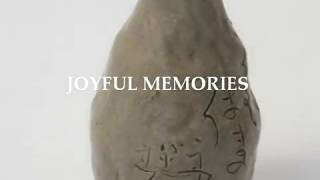
Joyful memories
Rengetsu’s life slowed down at around the age of 75. The long years of travelling, moving, and drifting came to an end in the small...


Das Geheimnis verbirgt sich manchmal auf dem schwarzen Grund einer Teeschale
Allem Sammeln liegt eine kaum zähmbare Leidenschaft zugrunde. Warum aber gerade Keramik? Und warum ausgerechnet deformierte Keramiken aus...


The Centuries-Old Japanese Tradition of Mending Broken Ceramics with Gold
Some four or five centuries ago in Japan, a lavish technique emerged for repairing broken ceramics. Artisans began using lacquer and gold pi


Schönheit trinken. Warum ich mich neuerdings für Teeschalen begeistere – ein Besuch im Keramikmuseum
Von Marion Poschmann Töpfern – damit verbindet man hierzulande Volkshochschulkurse für gelangweilte Hausfrauen, Reha-Angebote, Beschäftigungstherapie. Damit traktiert man Schüler, wenn ein Erlebnis kreativen Schaffens forciert werden soll, das keinerlei Voraussetzungen erfordert, denn Aschenbecher gelingen eigentlich immer. So voreingenommen betrat ich im vergangenen Jahr einen Museumssaal in Tokio, und ohne dass ich wusste, wie mir geschah, zog mich eine unsichtbare Kraft q
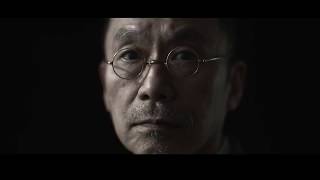
RAKU KICHIZAEMON ON THE AVANT-GARDE TRADTITION OF RAKU WARE
Raku Kichizaemon, the fifteenth grand master of the Raku line of potters, creates avant-garde works of ceramic art rooted in 450 years of tradition. With a tea bowl of his own making in hand, he discusses the philosophical underpinnings of Raku ware.


LOOKING AT CONTEMPORARY ART THROUGH THE EYES OF A TEA MASTER
ARETHE festival aspires to make people experience contemporary Japanese art through the ritual tradition called chado (the way of tea). At first, chado and contemporary art may seem unrelated. Yet, historically the way of tea and it’s tea ceremony practice had represented a very forward- thinking approach to appreciate art. http://www.mizenfineart.com Or look at an old tea bowl through the eyes of of a contemporary artist. Dry Lacquer Teabowl


THE TEABOWL : EAST AND WEST by Bonnie Kemske
The teabowl has become an iconic form in contemporary ceramics. Having travelled from Japan, where it was an inherent part of chanoyu, or tea ceremony, it has evolved and adapted to become something very different in the West. - Bloomsbury Publishing


SOETSU YANAGI : SELECTED ESSAYS ON JAPANESE FOLK CRAFTS
Sixteen essays by Soetsu Yanagi, key figure of the Japanese folk craft (Mingei) movement. A must read for anybody who liked Yanagi's book The Unknown Craftsman: A Japanese Insight into Beauty. - Highly recommended. Published by JPIC | Hardcover | ISBN 978-4-916055-75-0 | 246 pages | March 2017
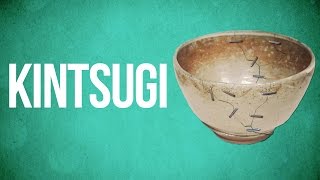
EASTERN PHILOSOPHY - KINTSUGI
"Kintsugi is the remarkable Japanese art of repairing broken pottery with elegance and grace - a tradition with a lot to teach us more generally about how to handle the broken bits of ourselves." - School of life

BachmannEckenstein | JapaneseArt email@bachmanneckenstein.com +41 61 373-0624 Basel, Switzerland
bottom of page